
Skip to content
W3 SolutionzACADEMY

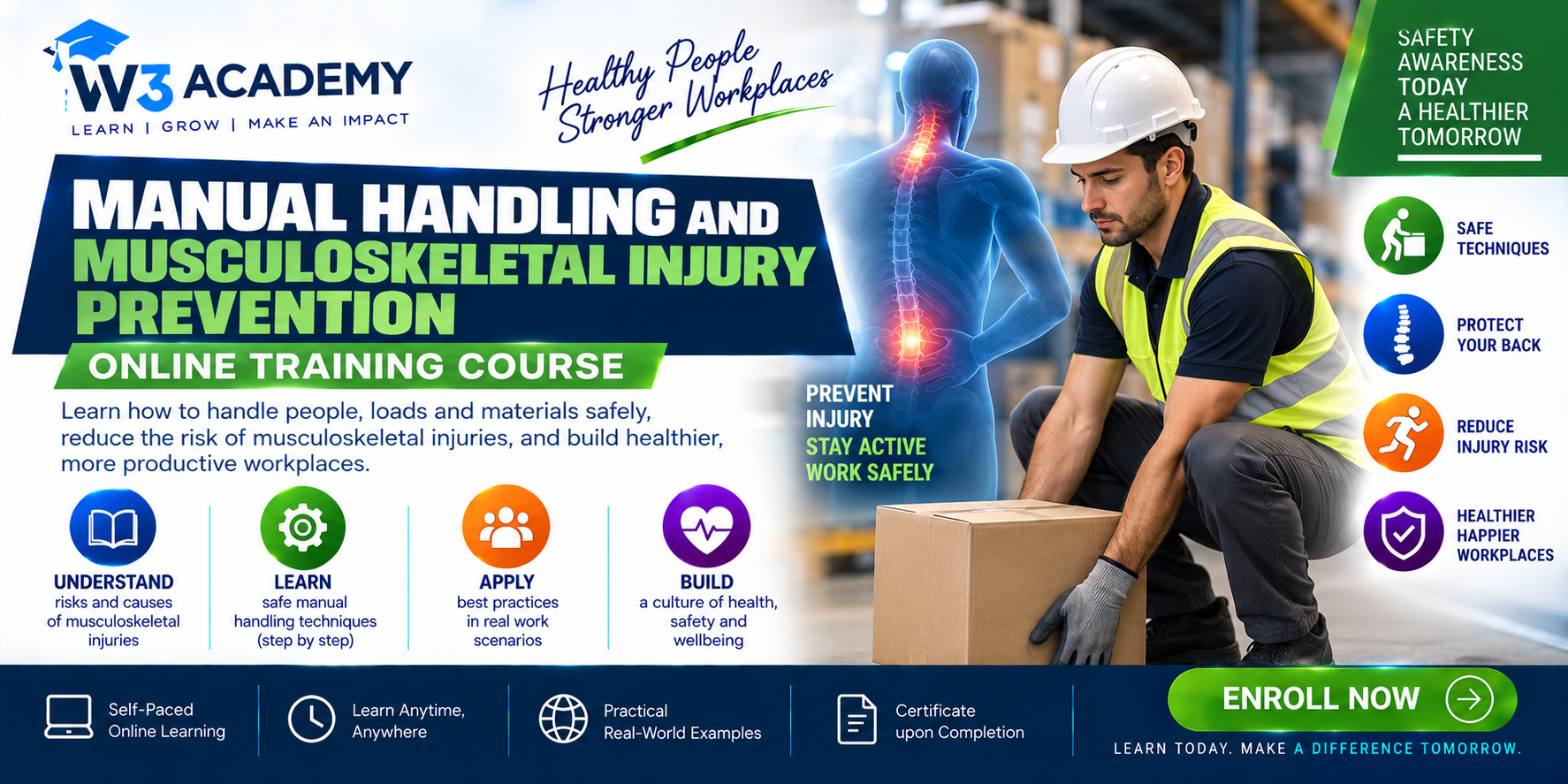
Manual Handling and Musculoskeletal Injury Prevention

Wishlist Share

Share this course

Help a colleague take their next step.

About Course

A free, four-hour awareness course covering manual handling and musculoskeletal injury prevention across workplaces. Learn to recognise handling risks, use TILE, reduce demands through work design and suitable aids, understand lifting, carrying, pushing and pulling, prevent repetitive-task exposure and report symptoms early. Includes 12 modules, 24 full text lessons with activities, a 30-question quiz and a fictional workplace assignment with W3 course-completion assessment.

What Will You Learn?

  • LO01: Define manual handling and MSDs and explain prevention responsibilities and training limits.
  • LO02: Identify task, individual, load and environment risk factors and appropriate stop conditions.
  • LO03: Select elimination, redesign and engineering measures before relying on technique or PPE.
  • LO04: Explain planned lifting, lowering and carrying principles for assessed manageable loads.
  • LO05: Recognise pushing and pulling hazards involving forces, wheels, routes, slopes and visibility.
  • LO06: Explain why awkward loads and team handling require task-specific planning and communication.
  • LO07: Identify selection, inspection, maintenance and authorisation requirements for handling aids.
  • LO08: Propose controls for repetition, force, sustained posture and tool or workstation design.
  • LO09: Apply handling principles to different workplaces and recognise specialist exclusions.
  • LO10: Describe early symptom reporting, fatigue controls and individual support arrangements.
  • LO11: Distinguish MAC, RAPP and ART assessment scopes and verify control effectiveness.
  • LO12: Prepare an evidence-based handling review, briefing and prioritised action plan.

Course Content

Manual handling and musculoskeletal health
Recognise manual tasks, common symptoms and shared prevention responsibilities.

  • 01 | What counts as manual handling?
  • 02 | Responsibilities, learning and authorisation

Assessing the complete task
Identify task, individual, load and environment factors and know when to stop.

Avoiding and reducing handling
Redesign material flow, storage and workstations to reduce physical demands.

Lifting, lowering and carrying
Apply planned handling principles to assessed manageable loads.

Pushing and pulling
Recognise trolley, route, force and slope risks and select suitable controls.

Awkward loads and team handling
Plan unstable or bulky loads and coordinated team tasks without assuming safety.

Handling aids and equipment
Select suitable aids, recognise defects and understand competence limits.

Repetition, posture and work design
Reduce repetitive force, sustained postures and poorly designed tool use.

Applying controls across workplaces
Adapt controls to warehouses, construction, cleaning, offices and specialist settings.

Individual needs and early reporting
Manage fatigue, confidential support and symptoms through appropriate channels.

Assessment tools and improvement
Choose appropriate assessment approaches and verify that controls work.

Practical review and action planning
Interpret a fictional task, prioritise controls and prepare a usable action plan.

Assessment

Earn a certificate

Add this certificate to your resume to demonstrate your skills & increase your chances of getting noticed.
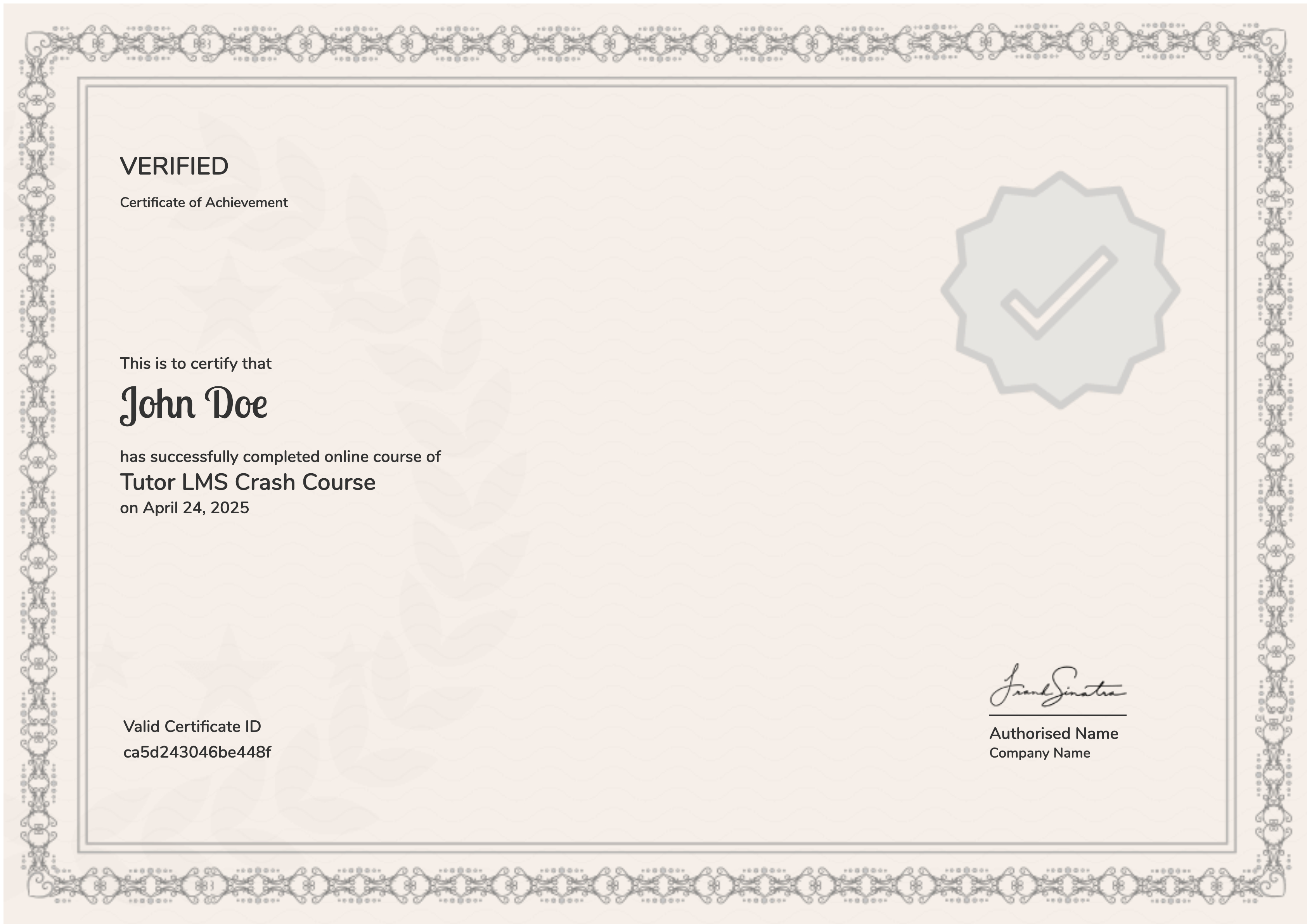
selected template

Student Ratings & Reviews

No Review Yet
No Review Yet

Want to receive push notifications for all major on-site activities?

✕