
Skip to content
W3 SolutionzACADEMY

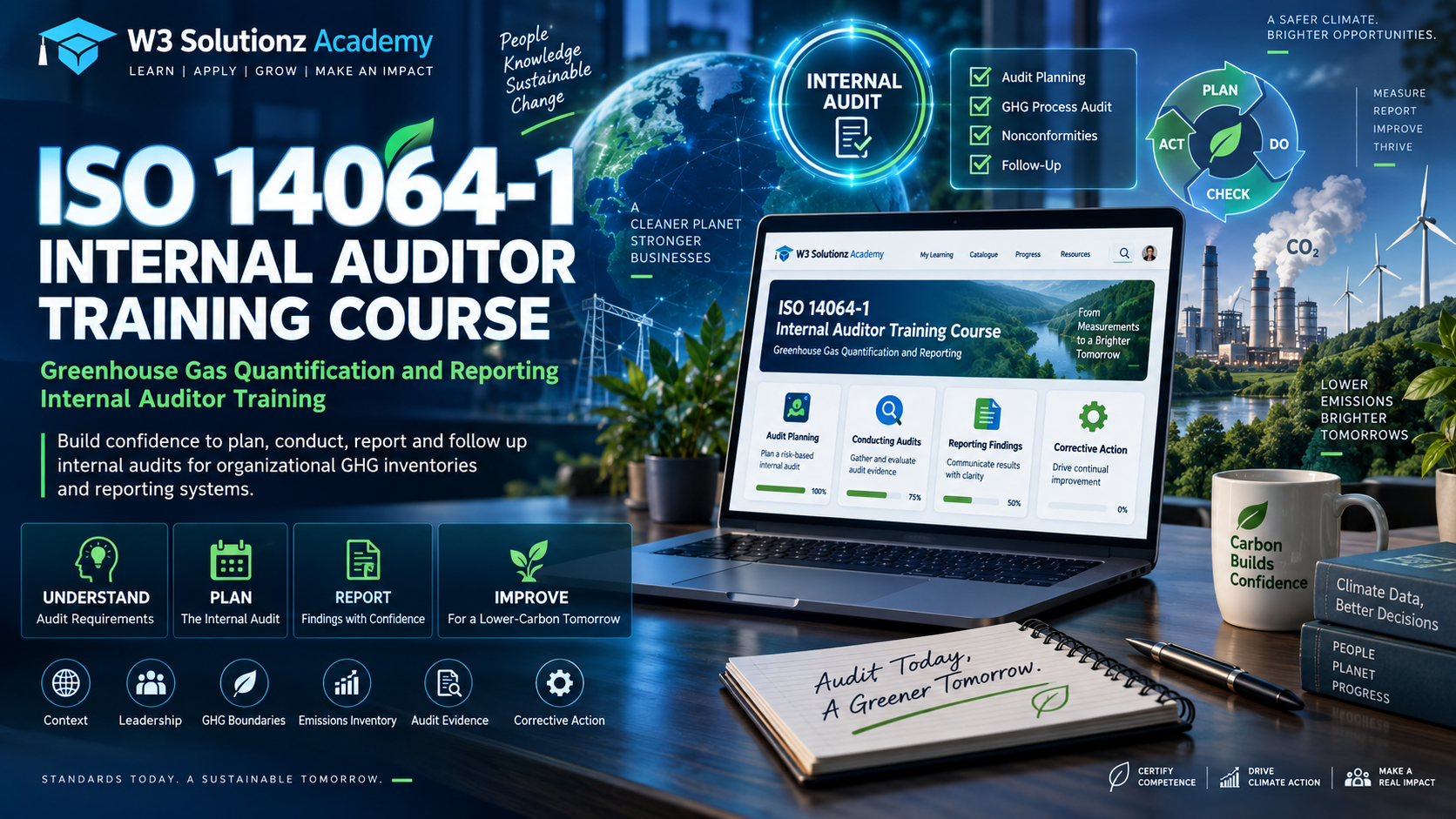
ISO 14064-1:2018 GHG Inventory Internal Auditor

Wishlist Share

Share this course

Help a colleague take their next step.

About Course

Develop internal-audit skills for an organizational greenhouse-gas inventory. Study boundaries, source significance, factors, GWP, fuel, electricity, refrigerants, base years, mitigation, uncertainty, reporting and audit practice. Includes 36 text lessons with written exercises and model feedback, a 40-question examination and a marked GHG inventory case. Total learning workload: 14 hours excluding breaks. The course develops internal audit practice; it does not confer third-party verification authority.

What Will You Learn?

  • LO01: Explain organizational GHG inventories, key terms and the role of ISO 14064-1:2018.
  • LO02: Evaluate the five inventory principles and the organizational and reporting boundaries.
  • LO03: Classify sources and evaluate significant indirect emissions and justified exclusions.
  • LO04: Trace source data, emission factors and GWP values into controlled quantification methods.
  • LO05: Recalculate combustion, imported energy and refrigerant emissions with appropriate units.
  • LO06: Evaluate comparable base years, biogenic information, removals and reduction claims.
  • LO07: Assess data controls, uncertainty, reporting and the organization’s verification arrangements.
  • LO08: Apply independence, competence and risk-based planning to a GHG inventory audit.
  • LO09: Define objectives, criteria, samples and a feasible evidence-led audit plan.
  • LO10: Corroborate evidence through interviews, records, recalculation and authorized observation.
  • LO11: Write supported findings and verify correction, corrective action and effectiveness.
  • LO12: Evaluate a complete teaching inventory and prepare the assessed internal-audit response.

Course Content

GHG inventory foundations
Explain organizational GHG inventories, key terms and the role of ISO 14064-1:2018.

  • Purpose of an organizational GHG inventory
  • GHG sources sinks and carbon dioxide equivalent
  • The standard and the assurance boundary

Principles and inventory boundaries
Evaluate the five inventory principles and the organizational and reporting boundaries.

Emission categories and significance
Classify sources and evaluate significant indirect emissions and justified exclusions.

Activity data factors and units
Trace source data, emission factors and GWP values into controlled quantification methods.

Auditing GHG calculations
Recalculate combustion, imported energy and refrigerant emissions with appropriate units.

Base years removals and mitigation
Evaluate comparable base years, biogenic information, removals and reduction claims.

Inventory quality and reporting
Assess data controls, uncertainty, reporting and the organization’s verification arrangements.

Internal audit principles and programme
Apply independence, competence and risk-based planning to a GHG inventory audit.

Preparing the inventory audit
Define objectives, criteria, samples and a feasible evidence-led audit plan.

Conducting the inventory audit
Corroborate evidence through interviews, records, recalculation and authorized observation.

Findings reporting and follow-up
Write supported findings and verify correction, corrective action and effectiveness.

Integrated GHG audit practice
Evaluate a complete teaching inventory and prepare the assessed internal-audit response.

Assessment

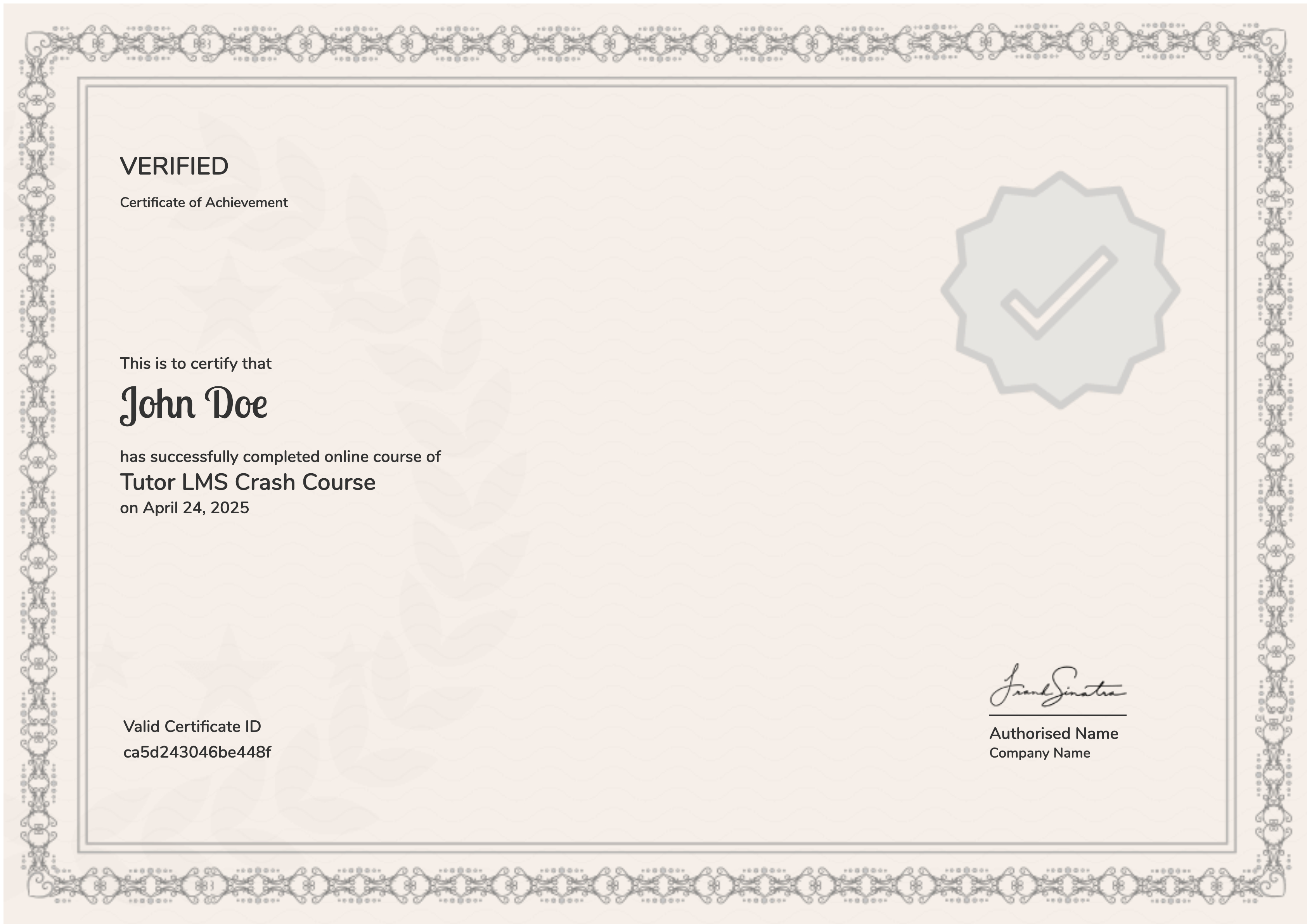
Earn a certificate

Add this certificate to your resume to demonstrate your skills & increase your chances of getting noticed.
selected template

Student Ratings & Reviews

No Review Yet
No Review Yet