

Skip to content
W3 SolutionzACADEMY

Export Sales and Distributor Management

Categories: Sales & Marketing
Wishlist Share

Share this course

Help a colleague take their next step.

About Course

Evaluate export-market opportunities, qualify distributors, prepare clear export offers and coordinate commercial terms, payment, documents and logistics. Use fictional cases to calculate landed-cost scenarios, monitor distributor stock and design a controlled market launch.

What Will You Learn?

  • LO01: Compare market readiness and verify distributor capability.
  • LO02: Define distributor responsibilities and prepare a complete export quotation.
  • LO03: Distinguish delivery terms from payment arrangements and compare payment risks.
  • LO04: Coordinate consistent trade documents and shipment dependencies.
  • LO05: Calculate landed-cost scenarios and interpret distributor stock movements.
  • LO06: Review distributor performance and build a staged market-launch decision.

Course Content

Market readiness and partner selection
Export opportunity begins with a real customer problem and a feasible route to serve it. Compare market demand evidence, competitive fit, product requirements, delivery capability and support needs. A distributor’s enthusiasm is useful but does not replace verification of identity, capability, references and commercial standing. Record evidence sources and unresolved questions. A market score is a decision aid; unresolved mandatory requirements must still be cleared before the transaction proceeds.

  • 01. Compare markets and assess export readiness
  • 02. Verify distributor identity and capability

Distribution model and export offer
Define what the distributor buys, sells and supports, and what the exporter retains. Territory, customer groups, performance expectations, reporting and brand permissions need clear commercial agreement and competent legal review. A quotation should identify the exact product, unit, quantity, currency, validity, delivery basis and payment terms. Avoid assuming a standard trade term resolves every contract question. Keep optional services and dependencies visible so the buyer can compare a complete offer.

Delivery rules and payment risk
Incoterms rules address specified delivery responsibilities, costs and risk allocation; the sale contract must also cover matters such as payment and ownership. Choose the rule for the actual transport and handover arrangement. Payment methods distribute commercial risk differently and may require banking expertise. Review document conditions, bank and country exposure, fees and operational capability before accepting an arrangement. This course introduces decision questions; it does not replace the full ICC rules or transaction-specific advice.

Documents and shipment coordination
Export documents should tell a consistent story about the transaction. Required documents vary with product, route, origin, destination, transport and payment arrangement. Use a requirement checklist confirmed by the appropriate authorities, buyer, forwarder and bank as relevant. Logistics plans should identify dependencies, responsible parties and update points. A quoted transit duration is only one part of the order-to-delivery timeline, and an insurance policy has conditions that must be checked.

Landed economics and channel demand
A landed-cost model is useful only when its boundary, units, currency assumptions and responsibilities are explicit. Include each relevant cost once and distinguish illustrative allowances from verified charges. Distributor purchases are sell-in, while sales onward to customers are sell-out. Inventory movements help reveal whether demand is real or stock is accumulating. Align replenishment with consumption, confirmed lead times and agreed stock policy rather than pushing volume to meet a short-term target.

Performance review and staged launch
Distributor management combines commercial results, payment, stock, service and market-development evidence. Define measures and reporting periods jointly, then investigate exceptions before changing the relationship. Disputes need traceable records and authorised action under the actual agreement. A staged launch should test assumptions with manageable commitments, decision gates and owners. Expansion follows verified demand, viable economics and readiness, while unresolved compliance or capacity issues require an explicit hold decision.

Assessment

Earn a certificate

Add this certificate to your resume to demonstrate your skills & increase your chances of getting noticed.
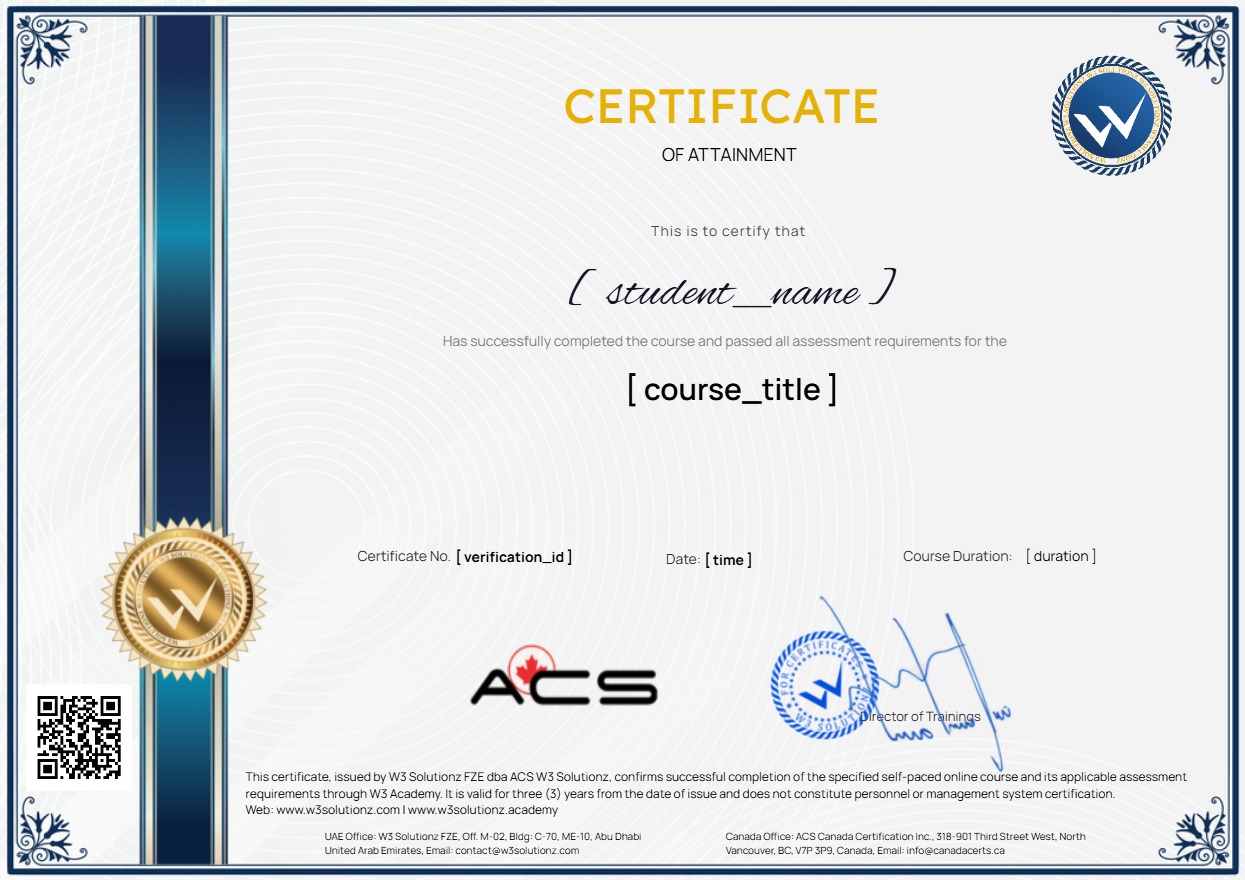
selected template

Student Ratings & Reviews

No Review Yet
No Review Yet

Want to receive push notifications for all major on-site activities?

✕