

Skip to content
W3 SolutionzACADEMY

Fatigue and Shift-Work Risk Management

Wishlist Share

Share this course

Help a colleague take their next step.

About Course

A free, four-hour awareness course on recognising and controlling fatigue and shift-work risks. Learn sleep and circadian principles, roster design, overtime and call-out controls, genuine breaks, safe handovers, reporting, fitness-for-work response and safe travel. Includes 12 modules, 24 lessons with activities, 30 quiz questions and a fictional roster-review assignment.

What Will You Learn?

  • LO01: Identify fatigue warning signs and explain their safety implications.
  • LO02: Distinguish time off, sleep opportunity and actual sleep, including circadian effects.
  • LO03: Describe employer, scheduler, supervisor and worker responsibilities and reporting routes.
  • LO04: Assess fatigue contributors using task, roster and worker information.
  • LO05: Propose roster improvements without treating a schedule as a guarantee of safety.
  • LO06: Review overtime, shift swaps and call-outs before authorising changes.
  • LO07: Select practical workload, break and handover controls.
  • LO08: Plan recovery and explain the limitations of caffeine, naps and personal strategies.
  • LO09: Respond to suspected impairment and identify when confidential health support is needed.
  • LO10: Plan safer work journeys and respond appropriately to drowsy driving.
  • LO11: Interpret fatigue indicators and investigate events without unsupported conclusions.
  • LO12: Prepare a prioritised fatigue-control plan with owners and effectiveness checks.

Course Content

Understanding fatigue
Recognise fatigue as a work risk and respond to warning signs.

  • 01 | Fatigue as a workplace hazard
  • 02 | Recognising signs and taking action

Sleep and the body clock
Explain sleep opportunity, sleep loss and the challenges of night work.

Responsibilities and reporting
Define management and worker actions, with clear escalation routes.

Assessing fatigue risks
Review actual work, exposure and existing controls.

Designing safer rosters
Evaluate shift timing, recovery and worker consultation.

Overtime, call-outs and change
Control deviations from the planned roster.

Workload, breaks and handovers
Support safe performance throughout the shift.

Sleep and recovery practices
Plan realistic recovery and recognise the limits of countermeasures.

Fitness for work and health support
Respond to impairment and refer persistent concerns appropriately.

Driving and journeys after shifts
Manage work driving and safe travel home.

Monitoring and learning
Use records, indicators and investigations to improve controls.

Putting the programme into practice
Build an action plan and review a fictional operation.

Assessment

Earn a certificate

Add this certificate to your resume to demonstrate your skills & increase your chances of getting noticed.
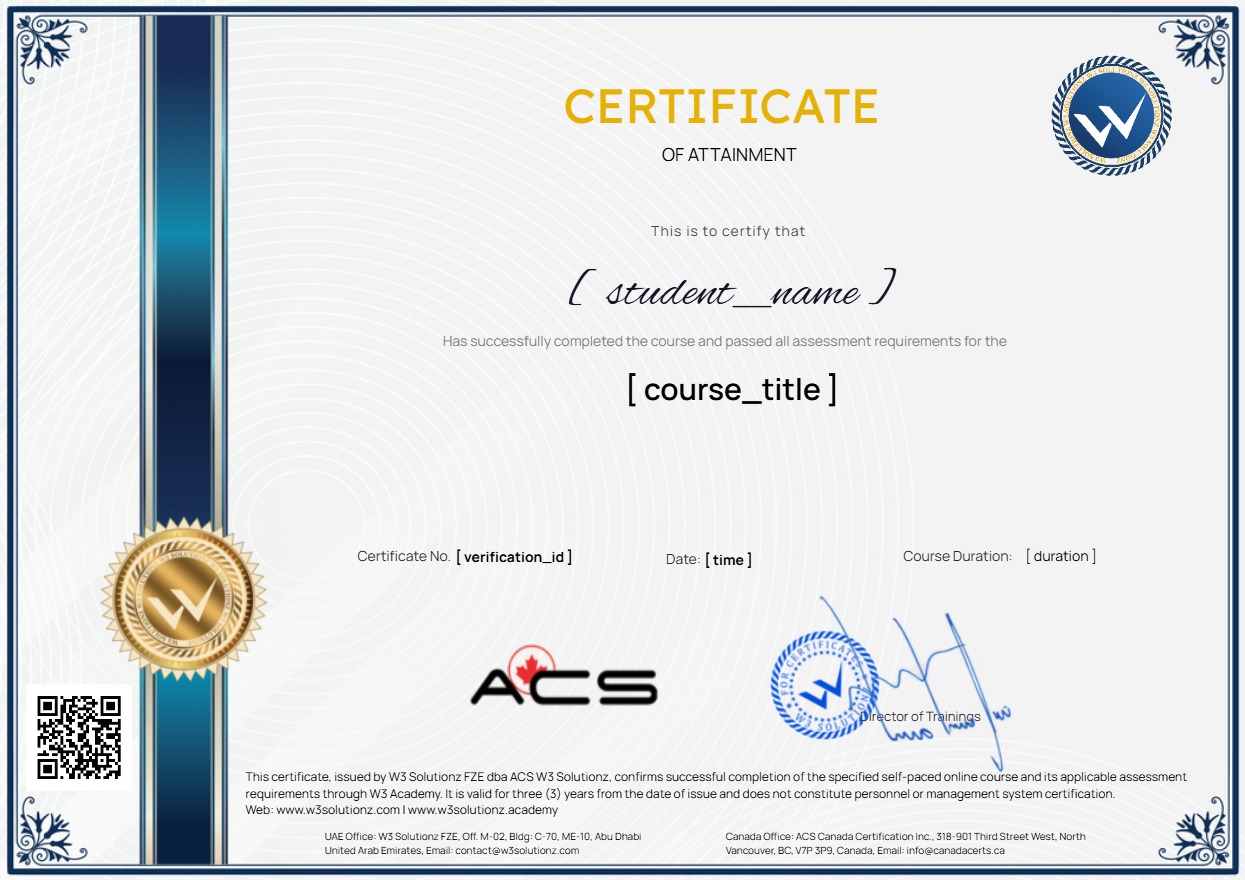
selected template

Student Ratings & Reviews

No Review Yet
No Review Yet

Want to receive push notifications for all major on-site activities?

✕